U.S.-registered 501(c)(3) nonprofitAccredited by the UN Convention to Combat Desertification
Germantown, MarylandLimbe, Cameroon
LARDINThe Legacy Action and Royal Development Initiatives
DonateGet involved

LARDIN Conducts Community Consultations on Gender-Based Violence in Limbe for Voices of Cameroon 2026

25 October 2026Date
Mile 4, Limbe, Southwest Region, CameroonLocation
24 girls and womenReached
Gender & disabilityProgram
LARDIN Conducts Community Consultations on Gender-Based Violence in Limbe for Voices of Cameroon 2026

On Sunday, 25 October 2026, LARDIN conducted two Focus Group Discussions (FGDs) and one Key Informant Interview (KII) in Mile 4, Limbe, Southwest Region of Cameroon, as part of the Voices of Cameroon 2026 Gender-Based Violence (GBV) assessment, supported by the United Nations Population Fund (UNFPA) and the German Agency for International Cooperation (GIZ).

Amplifying Community Voices to Strengthen GBV Prevention and Response


Project: Voices of Cameroon 2026 GBV Assessment
Supported by: United Nations Population Fund (UNFPA) and GIZ
Implemented by: LARDIN

On Sunday, 25 October 2026, LARDIN conducted two Focus Group Discussions (FGDs) and one Key Informant Interview (KII) in Mile 4, Limbe, Southwest Region of Cameroon, as part of the Voices of Cameroon 2026 Gender-Based Violence (GBV) assessment, supported by the United Nations Population Fund (UNFPA) and the German Agency for International Cooperation (GIZ).

The exercise aimed to gather community perspectives and expert insights on GBV-related concerns, protection needs, access to support services, and gaps in existing prevention and response mechanisms. The findings will contribute to a broader understanding of the challenges women and girls face and help inform evidence-based advocacy and future GBV prevention and response programmes in Cameroon.

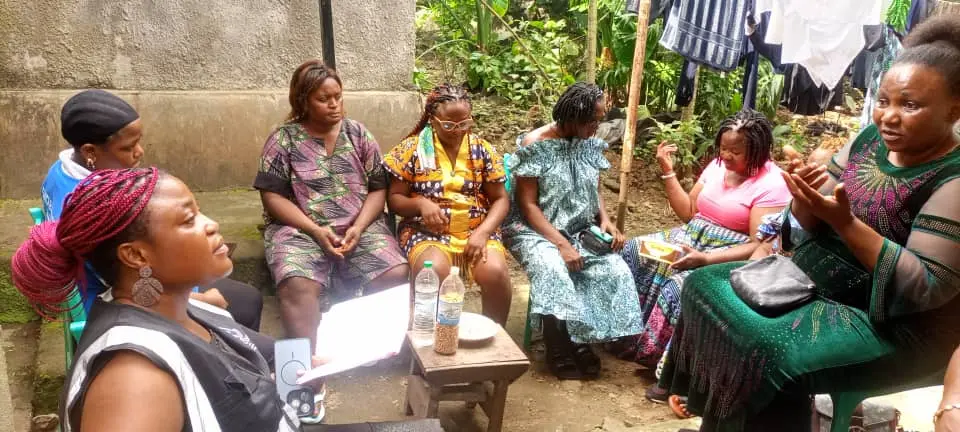
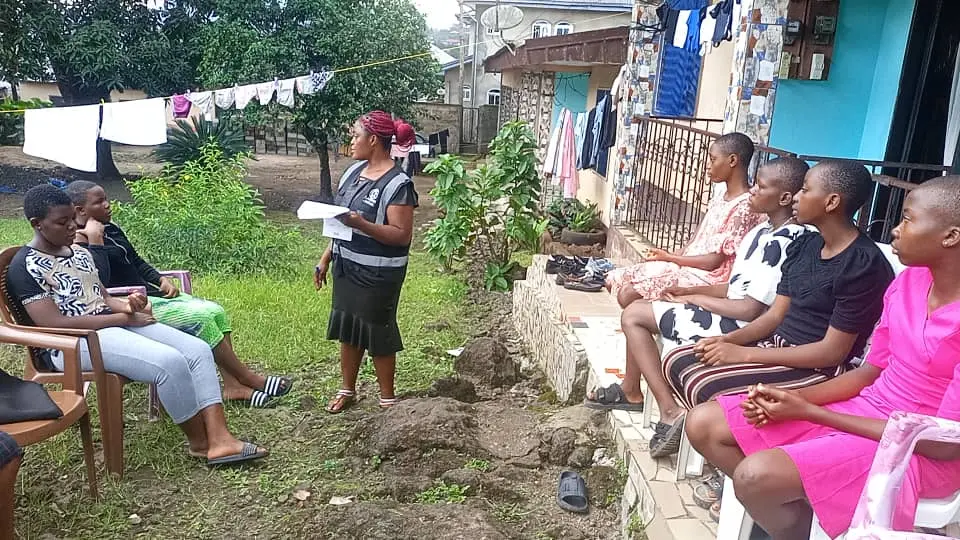
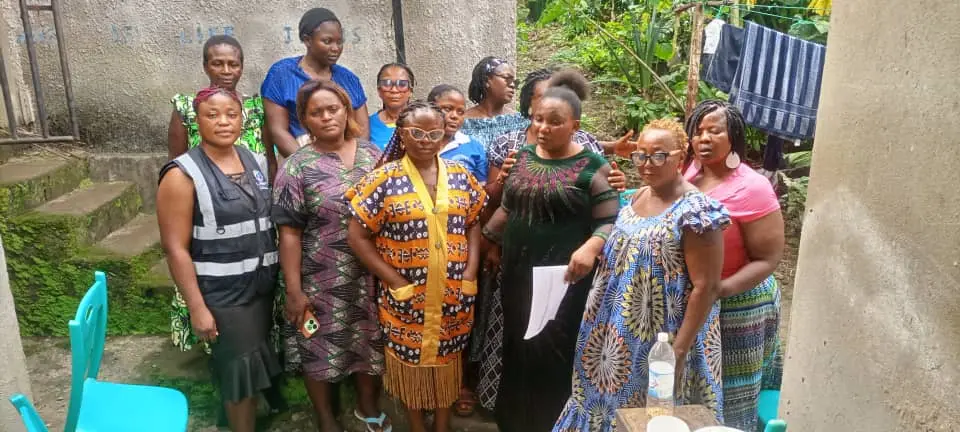
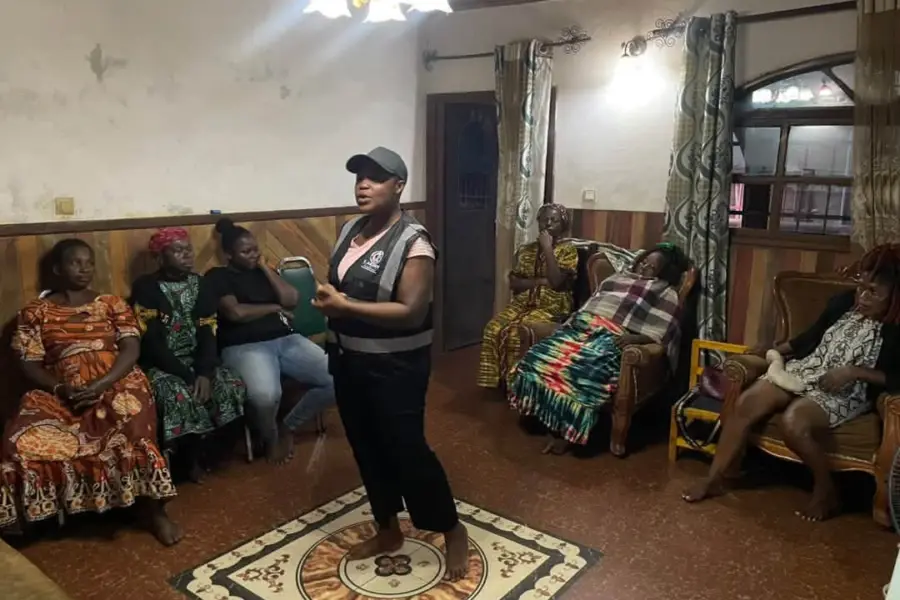
Community women participate in a focus group discussion exploring GBV concerns, protection needs, and access to support services in Mile 4, Limbe.

Community Engagement Through Focus Group Discussions.

Engaging Women from the Host Community

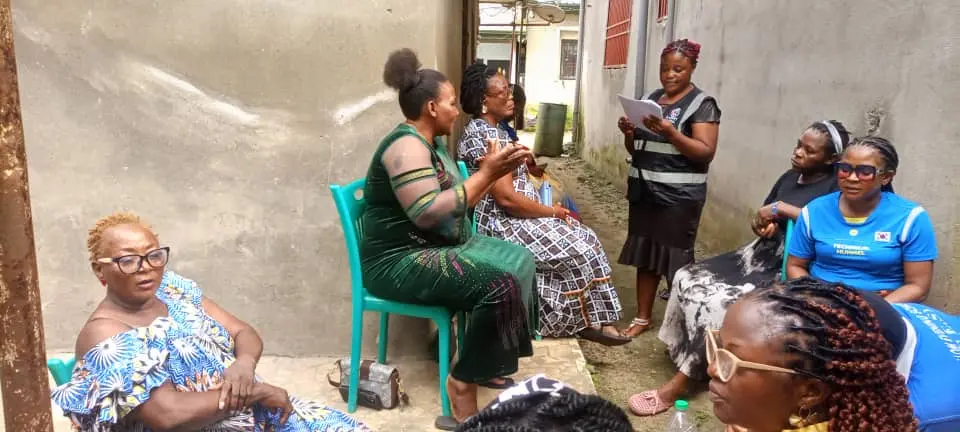
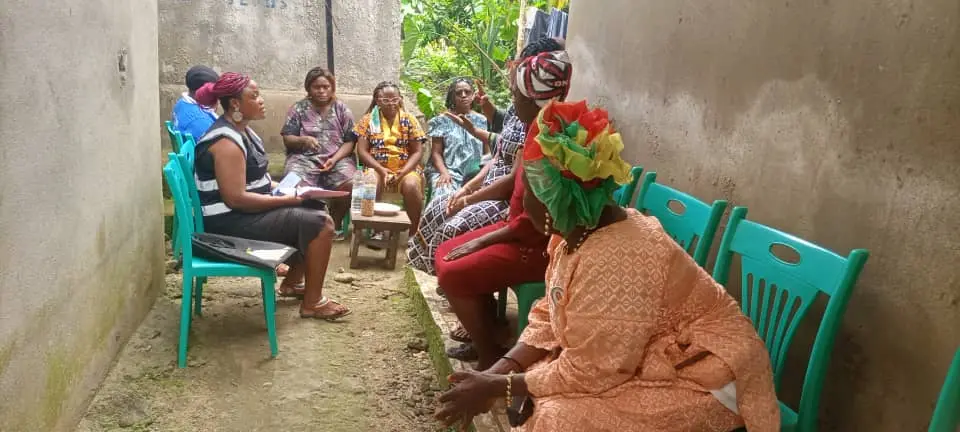
The first Focus Group Discussion took place in Quarter 28, Mile 4, and involved women aged 25–40 years and above from the host community.

The discussion explored participants’ perspectives on gender-based violence, community protection needs, access to available support services, and challenges affecting the prevention of and response to GBV. It provided an opportunity to gather community-level insights into the issues affecting women and the support mechanisms needed to strengthen their safety and well-being.

Women from the host community participate in a focus group discussion on GBV concerns, protection needs, and access to support services in Quarter 28, Mile 4.

Engaging Internally Displaced Adolescent Girls and Young Women

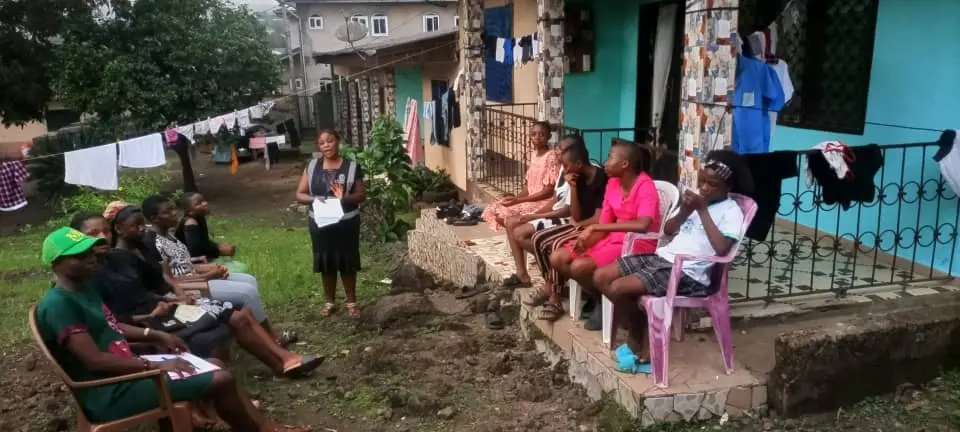
The second Focus Group Discussion was held in Quarter 18, Mile 4, with internally displaced adolescent girls and young women aged 15–24 years.

The session focused on understanding their GBV-related concerns, protection needs, access to support services, and barriers to reporting incidents of violence. Particular attention was given to the experiences and challenges faced by displaced young women and girls in accessing appropriate protection and assistance.

Engaging this group was an important part of ensuring that the assessment considered the perspectives of populations who may experience additional barriers to accessing support and protection services.

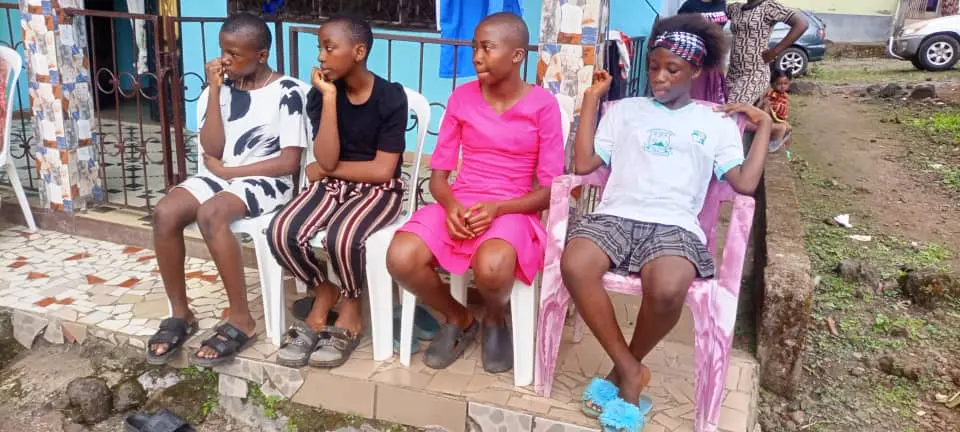
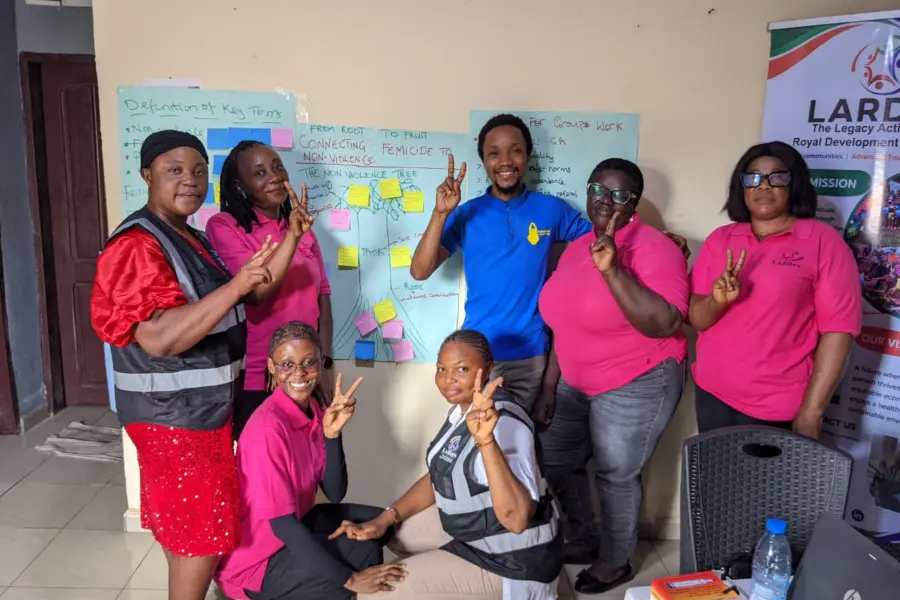
Community consultations explored the protection needs and access-to-services challenges faced by internally displaced adolescent girls and young women in Quarter 18, Mile 4.

Key Informant Interview with an Expert Service Provider

Following the two community discussions, LARDIN conducted a Key Informant Interview with an expert service provider working in the GBV response sector.

The interview sought professional perspectives on available GBV services, challenges affecting service delivery, gaps in prevention and response, and opportunities to improve support for survivors.

Insights from the interview will complement the information gathered during the FGDs, helping to build a broader picture of community needs and service provision challenges. Together, these perspectives will contribute to identifying opportunities for stronger coordination, improved access to services, and more responsive GBV prevention and response interventions.

Objectives of the Field Activity

The field exercise was designed to:

Identify key GBV concerns affecting women, adolescent girls, and young women.
Understand barriers to accessing GBV prevention, protection, and response services.
Identify gaps in existing service provision and community support mechanisms.
Gather expert perspectives on GBV service delivery and survivor support.
Generate evidence to inform advocacy and the development of future GBV programmes in Cameroon.

Expected Outcomes and Significance

The information gathered through the two FGDs and the KII will contribute to the broader Voices of Cameroon 2026 assessment by bringing together community experiences and professional perspectives.

The exercise is expected to help identify priority protection concerns, highlight barriers to accessing support, and inform discussions with donors, service providers, and other relevant stakeholders on strengthening GBV prevention and response mechanisms.

By documenting the perspectives of host community women, internally displaced adolescent girls and young women, and an expert service provider, the assessment seeks to support more informed, inclusive, and responsive programming.

LARDIN’s Commitment to GBV Prevention and Response

The field activity was conducted by Charlotte Bih, Program Director, and Hannah Bissong, Environmentalist and Enumerator at LARDIN.

Through its participation in the Voices of Cameroon 2026 assessment, LARDIN contributes to efforts to strengthen the evidence base for addressing gender-based violence and improving access to appropriate prevention, protection, and response services.

LARDIN recognises the importance of listening to affected communities, understanding service delivery challenges, and using evidence to inform advocacy and programme development. These efforts are essential to promoting safer communities and strengthening support for women and girls affected by or at risk of gender-based violence.

Conclusion

The field exercise in Mile 4, Limbe, marked an important contribution to the Voices of Cameroon 2026 GBV assessment. Through two Focus Group Discussions and a Key Informant Interview, LARDIN gathered community and professional perspectives on GBV-related concerns, protection needs, access to services, and gaps in existing response mechanisms.

The information collected will contribute to the wider assessment and help inform evidence-based advocacy and the design of future GBV prevention and response interventions in Cameroon.

LARDIN extends its appreciation to UNFPA and GIZ for supporting the assessment and recognises the importance of community participation and stakeholder engagement in advancing more effective and accessible GBV prevention and response services.

Together, through evidence, community engagement, and collaboration, we can strengthen protection and support for women and girls in Cameroon.

Help with the next gender & disability activity

Activities like this one are funded by supporters. A gift goes toward the next.

Give to Gender & disability